
Behind the Name Alternatives: 9 Sites Like Behind the Name (and When to Use Each One)
A deep, practical guide to the best alternatives to Behind the Name — for baby names, character names, surnames, statistics, and non-English names.
If you’ve ever gone down a rabbit hole on Behind the Name, you already know how addictive it is:
- etymology and history of first names
- usage across languages
- advanced filters
- random renamers and games
It’s one of the few sites that really takes names as serious data + culture, not just “cute lists”.
But if you’re googling “Behind the Name alternatives”, you probably want at least one of these:
- more editorial content (trends, blog posts, lists)
- stronger community features
- better tools for surnames and family history
- or deeper support for specific languages (like Chinese, Japanese, etc.)
This guide walks through:
- What Behind the Name does best (so you know when you don’t need an alternative)
- What to look for in a replacement or companion site
- 9 useful alternatives, each with “best for / pros / trade-offs”
- A quick comparison table so you can pick the right tool stack for your use case
What Behind the Name Does Really Well
Behind the Name describes itself as a site about “the etymology and history of first names” and has built a curated database of given names from many cultures, with features like:
- Browse & advanced search (by usage, gender, scripts, etc.)
- Popularity data, name days, famous namesakes
- User-submitted names with editorial checkmarks showing verification levels
- Games, random renamer and “name translator” for fun exploration
There’s also a related surnames section and message boards for surname discussions, which many people use as a starting point for family name questions.
Where it shines:
- Deep etymology and linguistic info
- Coverage of less common / historical names
- Good cross-language usage notes
- No-nonsense UI if you just want data
Where you might feel limited:
- Less focus on modern style / trend commentary
- Community features feel old-school compared to modern forums
- Surname tools are helpful, but not as detailed as dedicated genealogy sites
- Non-Latin scripts & East Asian names are present, but not always the main focus
So for a lot of users, the answer isn’t “abandon Behind the Name” — it’s:
Keep Behind the Name as your etymology anchor, then add 1–3 specialized tools around it.
What to Look for in a Behind the Name Alternative
Before we list sites, it helps to define what “alternative” means for you.
Ask yourself:
- Are you naming a baby, a fictional character, a gaming handle, or exploring family history?
- Do you care more about style & trends, or historical meaning?
- Do you want data (stats, distributions) or human feedback (forums, consultants)?
- Do you need non-English / non-Western names in depth?
From that, you can decide which category you need:
- Content-heavy baby name sites (lists, trends, style commentary)
- Surname & distribution databases (for family history and last names)
- Official statistics sources (SSA, ONS, etc.)
- Language-specific sites (e.g., Chinese, Japanese, etc.)
- Communities & forums (for feedback on combinations)
We’ll cover options in each bucket.
Quick Comparison: Behind the Name vs Alternatives
| Site / Type | Best for | Main strengths | Main limits vs Behind the Name |
|---|---|---|---|
| Behind the Name | Etymology, cross-cultural given names | Curated meanings, history, usage notes, fun tools | Less trend commentary, lighter on surnames |
| Nameberry | Parents & style-focused “name nerds” | Huge editorial content, trends, 70k+ names, active community | Etymology depth is uneven; naming is more “style” than hardcore linguistics |
| BabyNames.com | Straightforward baby name search | Long-running database, “Authority for Name Information since 1996”, search by origin/meaning, editor-run blog | Not as broad on obscure / ancient names as BtN |
| Forebears.io | Surnames & global distribution | ~31 million surname entries with frequency & maps, strong for “where is this surname common?” | Meaning/origin explanations can be brief or disputed; not focused on given names |
| National stats (SSA, ONS, etc.) | Hard numbers on popularity | Official data on popularity by year, region, etc. | No etymology or style commentary |
| Genealogy platforms (Ancestry-type sites) | Deep surname history | Historical records, migration, variant spellings | Often paid, slower to use for casual browsing |
| Language-specific sites (e.g., dedicated Chinese name databases) | Non-English names in depth | Native-speaker perspective, script info, cultural notes | Usually focused on one language instead of global coverage |
| Name communities (e.g., forums, Reddit) | Feedback & crowd wisdom | Real people reacting to your name ideas, combos | Quality varies; data is anecdotal |
Now let’s zoom in on each group.
Nameberry – Best for Style, Lists & Daily Name Content
What it is
Nameberry is one of the biggest modern baby-name platforms on the web. It describes itself as “the world’s largest baby naming site created by the leading name experts”, with a database of around 70,000 names, thousands of curated name lists, and an active community.
They also run:
- Daily / weekly editorial on trends and predictions
- A proprietary Baby Name DNA style quiz
- Social channels and newsletters that feed a constant stream of name ideas
Best for
- Parents who want trend-aware, style-aware advice
- People who enjoy browsing lists (vintage names, cottagecore names, nature names…)
- Name nerds who love following what’s rising / declining each year
Strengths vs Behind the Name
- Much more editorial content and “what’s hot right now” coverage
- Strong community vibe (comments, forums, social)
- Fun themed lists and generator-style tools
Trade-offs
- Etymology can be lighter; if you care about historical linguistics, BtN is stronger
- Focus is firmly on baby naming, not onomastics as a research hobby
How to combine with Behind the Name
- Use Nameberry to shortlist stylish, modern options
- Use Behind the Name to double-check meaning, origin and usage for those finalists
BabyNames.com – Best for Straightforward Search by Meaning & Origin
What it is
BabyNames.com brands itself as “The Authority for Name Information since 1996”.
Key features:
- A large database of given names with meaning, origin, history, popularity and extra notes
- Search tools for:
- name meaning (“names that mean light”)
- origin / ethnicity lists
- Editorial posts on specific themes (e.g., African names, pop culture names, etc.)
Best for
- Parents who want a clean, searchable catalog
- People who like searching by meaning or origin words
- Anyone who wants a long-running, editorially curated site
Strengths vs Behind the Name
- Very user-friendly for meaning-based queries
- Clear branding and long history; regularly updated content
- Lists tailored to modern usage (e.g., unisex, trending categories)
Trade-offs
- Depth of cross-culture etymology and historical notes is more limited than BtN
- Less focus on minority or highly obscure names
How to combine with Behind the Name
- Use BabyNames.com for “names that mean X” style discovery
- Use Behind the Name to dig deeper once you like a candidate
Forebears.io – Best for Surname Distribution & “Where Is This Name Common?”
What it is
Forebears is a massive database focused on surnames and their global occurrence.
According to the site, you can explore around 31 million surnames, including:
- basic origin/meaning notes
- heat maps showing which countries and regions the surname is most common
- rankings like “most common surnames” by country/region
Best for
- People doing family history or genealogy
- Writers who want realistic last names tied to specific countries
- Anyone curious about “how common is my surname, and where?”
Strengths vs Behind the Name
- Much broader surname coverage and distribution data
- Intuitive maps and statistics
- Great complement if you like numbers
Trade-offs
- The etymology / origin explanations can be short or generic, and some genealogists criticize them as too rough to replace serious research.
- Almost no given-name tools; it’s surname-centric
How to combine with Behind the Name
- Use Behind the Name for first-name etymology
- Use Forebears to see where your surname lives in the world, then go to genealogy sources for deeper history
Official Statistics: SSA, ONS & Other Government Data
If what you really want is hard popularity numbers, then no private site beats official government datasets.
1 United States – Social Security Administration (SSA)
The US Social Security Administration publishes:
- Top baby names by year since the late 19th century
- Popularity by state, by decade, and “change in popularity” tables
Media outlets use this data every year to report that names like Liam and Olivia remain top choices.
2 England & Wales – Office for National Statistics (ONS)
ONS publishes:
- Annual bulletins on baby names in England and Wales, with:
- top names by year
- breakdowns by region, mother’s age, etc.
Other countries (Scotland, Northern Ireland, Canada, Australia, etc.) have similar official releases.
Best for
- Anyone writing about trends or needing trustworthy statistics
- Parents who want names that are:
- solidly popular, or
- definitely not common
Strengths vs Behind the Name
- Completely authoritative for popularity
- Granular data over many decades
Trade-offs
- No meaning, no etymology, no commentary
- Raw data can be intimidating if you’re not used to it
How to combine with Behind the Name
- Use SSA/ONS to check true popularity of a short list
- Use Behind the Name to understand what the names actually mean and how they’re used in other cultures
Genealogy Platforms – Best for Deep Surname Storytelling
Big genealogy sites (e.g., Ancestry-type services, FamilySearch, national archives) aren’t “name sites” in the same sense, but they’re powerful for:
- Tracing real ancestors who used a surname
- Seeing historical records (census, immigration, parish books, etc.)
- Understanding how a surname changed form over time and across countries
Best for
- People who want their surname to be part of a family story, not just a dictionary entry
- Writers building a realistic family tree for characters
Strengths vs Behind the Name
- Rich documentary evidence, not just descriptions
- Can show variant spellings, migration paths, occupations
Trade-offs
- Often paid / subscription-based
- Slower to use if you only want a quick “what does this name mean” answer
How to combine with Behind the Name
- Start at Behind the Name or Forebears for basic meaning / distribution
- Move into genealogy platforms when you want personal, family-level detail
Language-Specific Sites – Best for Chinese, Japanese & Other Non-English Names
This is where generic sites (Behind the Name, Nameberry, etc.) start to hit their limits.
If you want serious depth for Chinese, Japanese, Korean, Arabic, etc., you’re usually better off with a specialized, language-specific resource that:
- understands the script (characters, kanji, hanzi, etc.)
- explains components (radicals, kanji readings, etc.)
- gives native-speaker context:
- Is this name dated or modern?
- Masculine, feminine, or truly unisex?
- Does it show up in real life, or just in anime / novels?
Example features to look for on a Chinese-name-focused site:
- Character profiles (meanings, stroke counts, radicals, common name usage)
- Explanation of double-character given names vs single-character names
- Guidance tailored to non-Chinese speakers:
- how to match a Chinese name to your English name
- what to avoid (unusual or “weird flex” characters)
- Tools that generate full Chinese names with:
- pinyin
- English explanation
- cultural notes
In other words:
If your main use case is “I want a good Chinese name”, a dedicated Chinese name site is a true alternative to Behind the Name, not just a supplement.
Behind the Name can still help for understanding how Western names work in Chinese contexts (transliterations, saints’ names in Chinese churches, etc.), but it’s not designed to solve the “foreigner picking a Chinese name” problem end-to-end.
Name Communities – Best for Feedback, Taste Checks & Combos
Finally, there are the human alternatives:
- Name forums and message boards
- Reddit communities (e.g., name-focused subreddits)
- Comment sections on sites like Nameberry
People use these for:
- “Does this sound weird in English?”
- “Which middle name flows better with my last name?”
- “Is this name too tied to a specific religion / country / age group?”
You’re not getting structured data, but you are getting:
- Taste feedback from people who live in the culture
- Real-world associations you might have missed
This is especially useful when:
- You’re combining first + middle + surname
- You want a name that works across multiple languages
- You’re worried about teasing / mispronunciation
How to combine with Behind the Name
- Use Behind the Name (and the other tools above) to research and shortlist.
- Take 3–5 favorites into a community and ask for honest reactions.
- Adjust if you hear repeated patterns: “This sounds super old”, “This looks like a brand name”, etc.
So… Which “Behind the Name Alternative” Should You Use?
If you…
-
Love BtN’s etymology but want more style & trend talk →
Pair Behind the Name + Nameberry. -
Mostly care about quick, clean baby name search by meaning →
Try BabyNames.com as your main UI, and keep BtN as backup. -
Are obsessed with surnames and “where they come from” →
Combine Forebears.io + genealogy platforms + (optionally) BtN’s surname boards. -
Write about baby name trends / need hard numbers →
Use SSA / ONS data for stats, and BtN/Nameberry for narrative & context. -
Need a serious Chinese / Japanese / other non-English name →
Use a language-specific site as your primary tool, and treat Behind the Name as a cross-check rather than the main source.
The point isn’t to replace Behind the Name completely. It’s to build a tool stack where:
- Behind the Name covers etymology and cross-cultural basics, and
- Other sites cover styles, stats, surnames, and language-specific depth.
Related Articles
How to Pronounce Chinese Names with Pinyin: A Practical Guide for Non-Native Speakers
A practical guide to pronouncing Chinese names written in pinyin, covering name structure, pinyin basics, common patterns, and practice tips for non-native speakers.
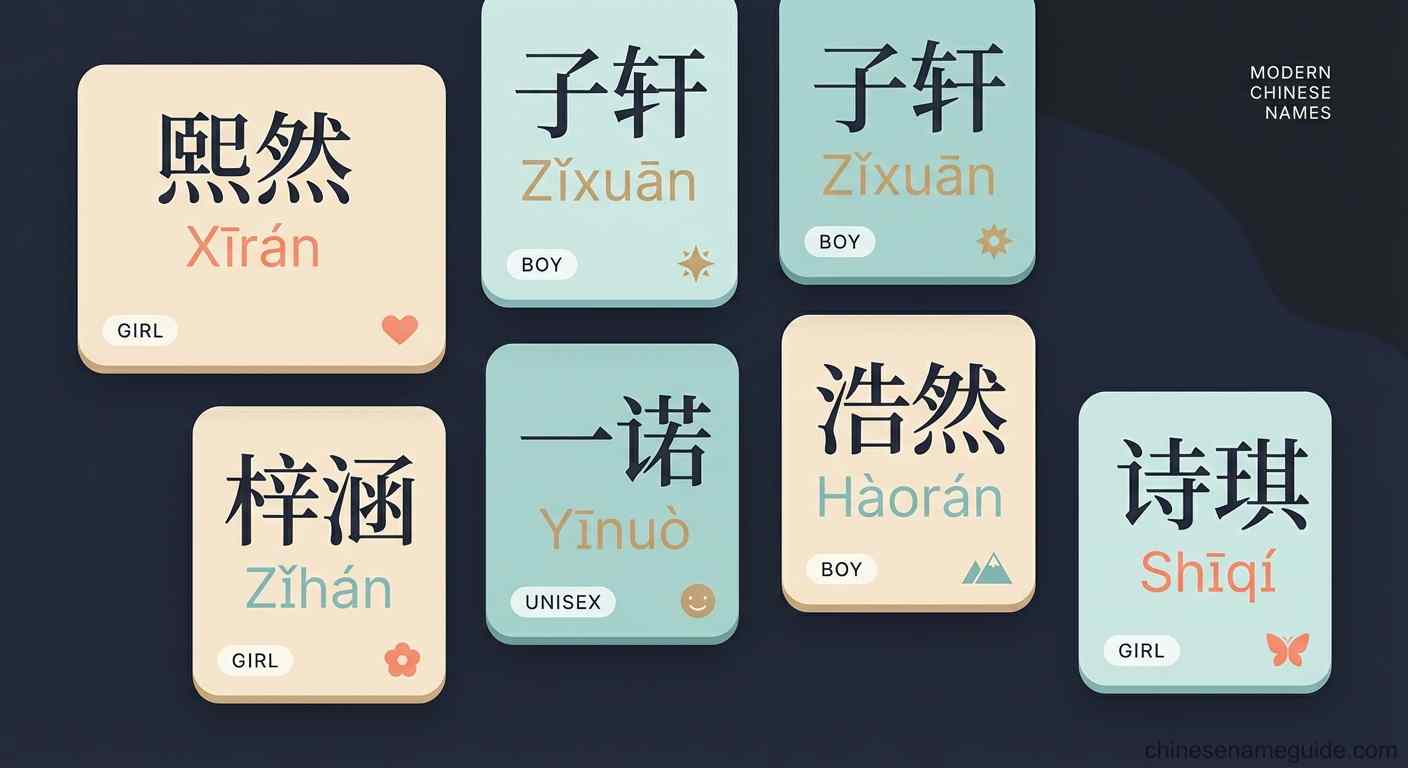
Modern Chinese Names: What Kids Are Actually Called Now
Forget Li Ming and Wang Wei. A ground-level look at what Chinese kids are really named today, what those names signal, and how to sound modern without sounding ridiculous.
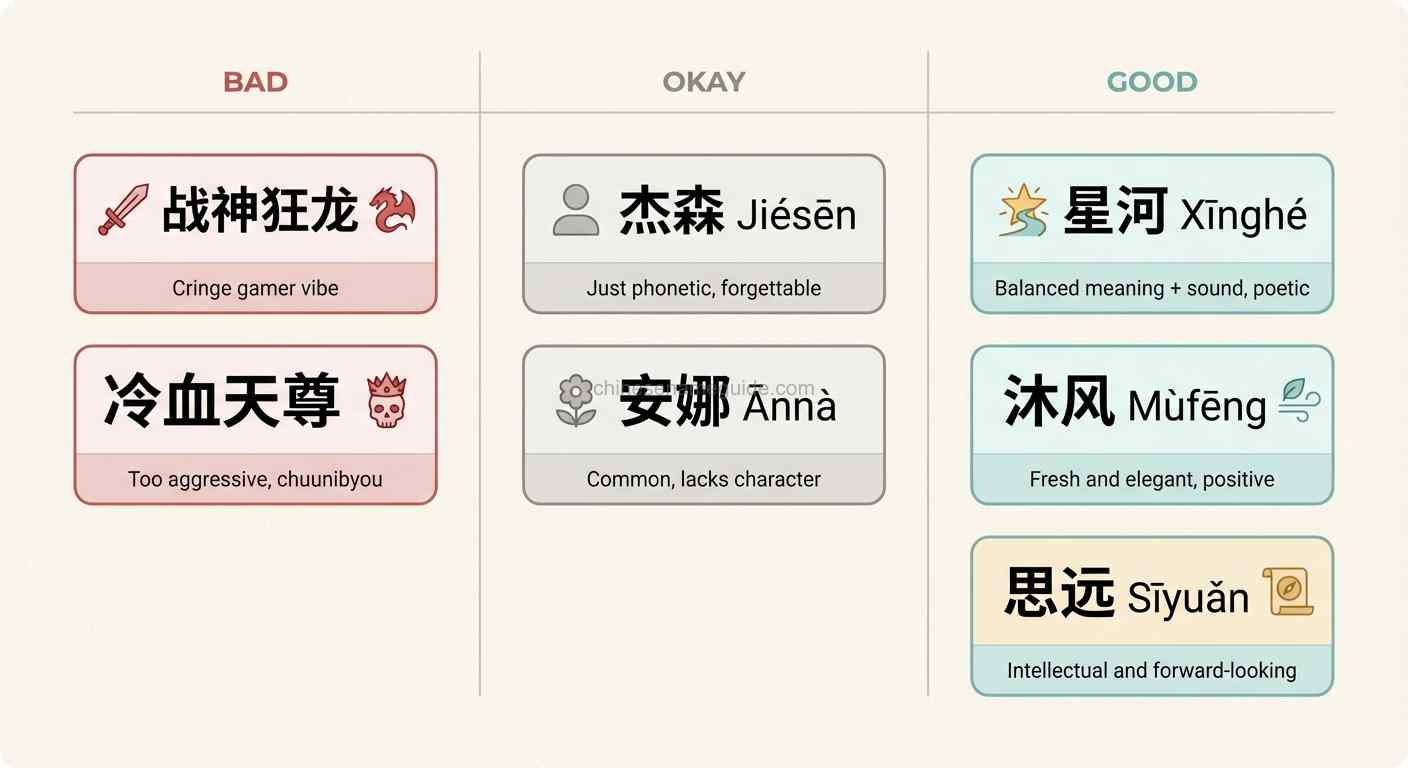
Why Most Chinese Name Generators Are Dangerous (Don't Get a Tattoo Yet!)
Before you tattoo a ‘cool Chinese name’ or launch a brand with it, read this. A brutally honest look at how most Chinese name generators actually work — and why they can quietly ruin your skin, your brand, or your reputation.