Skip to content

Journal / Names in context

Chinese names, read beyond the characters.

Cultural history, pronunciation, naming practice, and the evidence that helps a name make sense in real life.

Open legacy archive

The articles are readable while their sources are reviewed.

Pending entries keep their editorial notice and stay out of search sitemaps, recommendations, and verified publication lists until review is complete.

The archive

Articles and guides

32 available to read

Modern Trends in Chinese Baby Naming
TrendsDecember 20, 202410 min readEditorial review pending

Modern Trends in Chinese Baby Naming

How contemporary Chinese parents are balancing traditional cultural values with modern preferences when naming their children.

The Art of Chinese Calligraphy in Naming
ArtDecember 15, 20247 min readEditorial review pending

The Art of Chinese Calligraphy in Naming

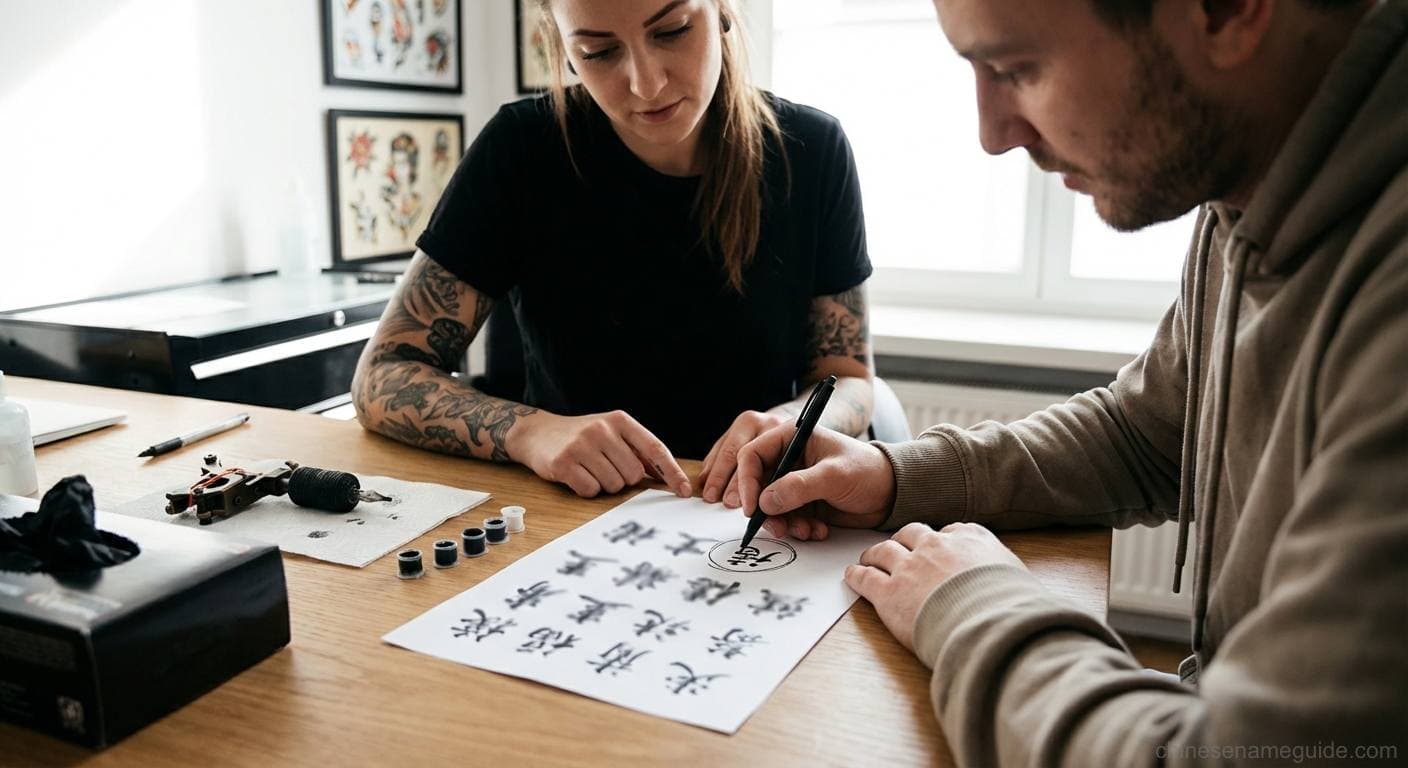
Explore how traditional Chinese calligraphy enhances the beauty and meaning of names, blending art with cultural significance.

Understanding Chinese Names: A Complete Guide
GuideNovember 20, 202515 min readEditorial review pending

Understanding Chinese Names: A Complete Guide

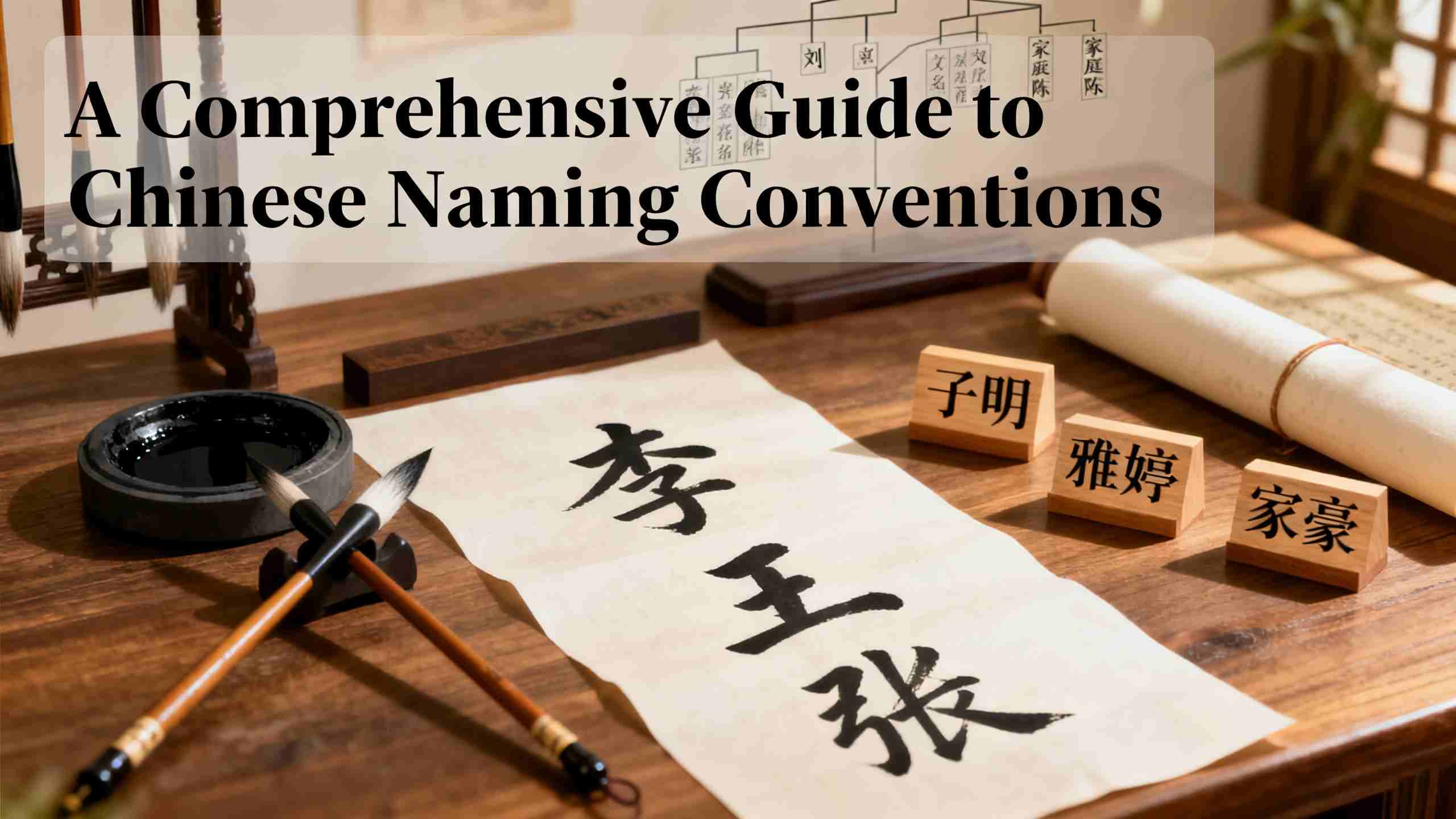
A comprehensive guide to Chinese naming conventions, including common surnames, first name selection, and cultural significance.

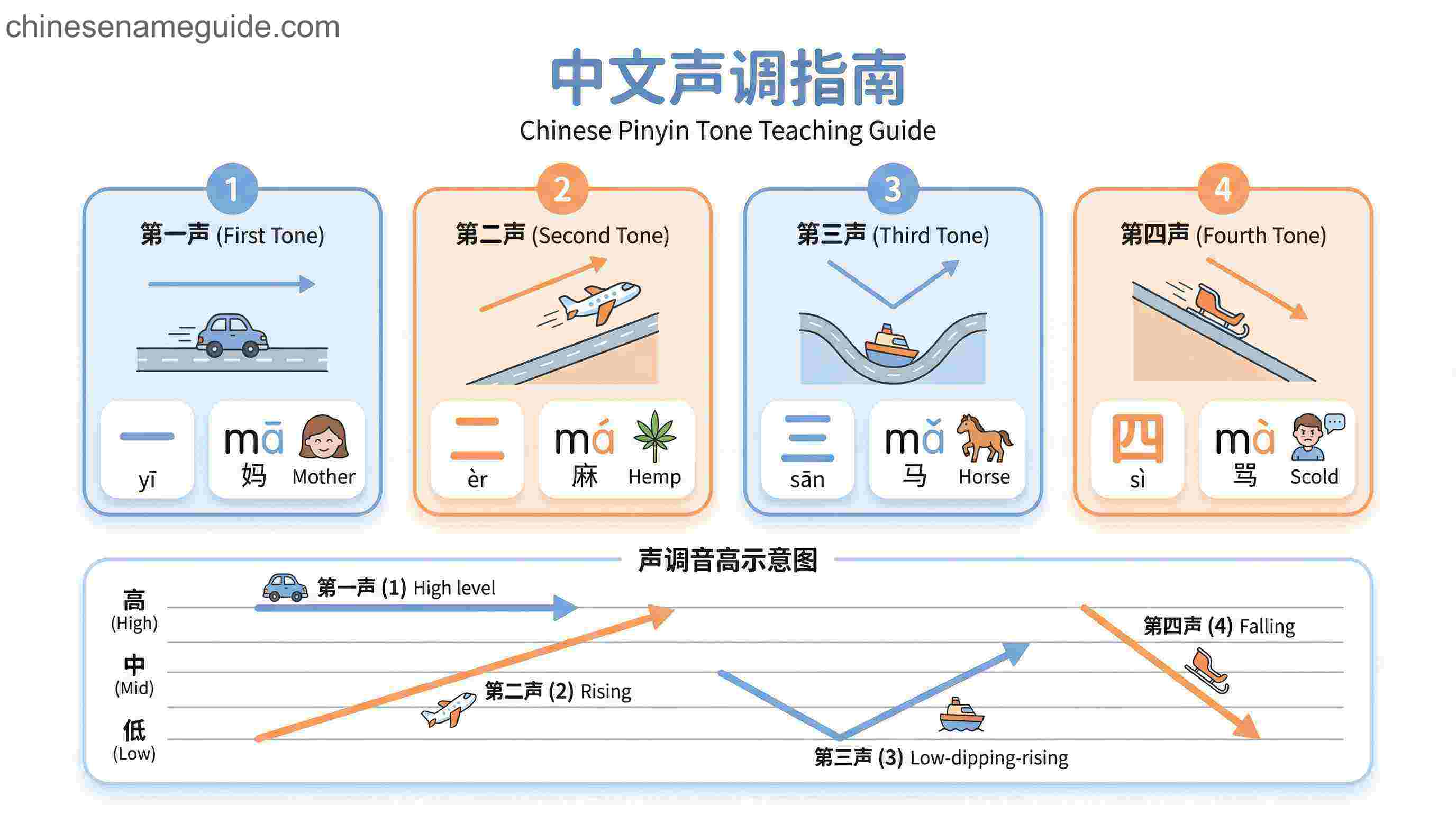
Common Tone Mistakes and How to Finally Fix Them
PronunciationNovember 16, 202510 min readEditorial review pending

Common Tone Mistakes and How to Finally Fix Them

A deep, practical guide to the most common Mandarin tone mistakes learners make — with clear examples, explanations, and training strategies to fix them for good.

Modern Chinese Names: What Kids Are Actually Called Now
NamingNovember 23, 202511 min readEditorial review pending

Modern Chinese Names: What Kids Are Actually Called Now

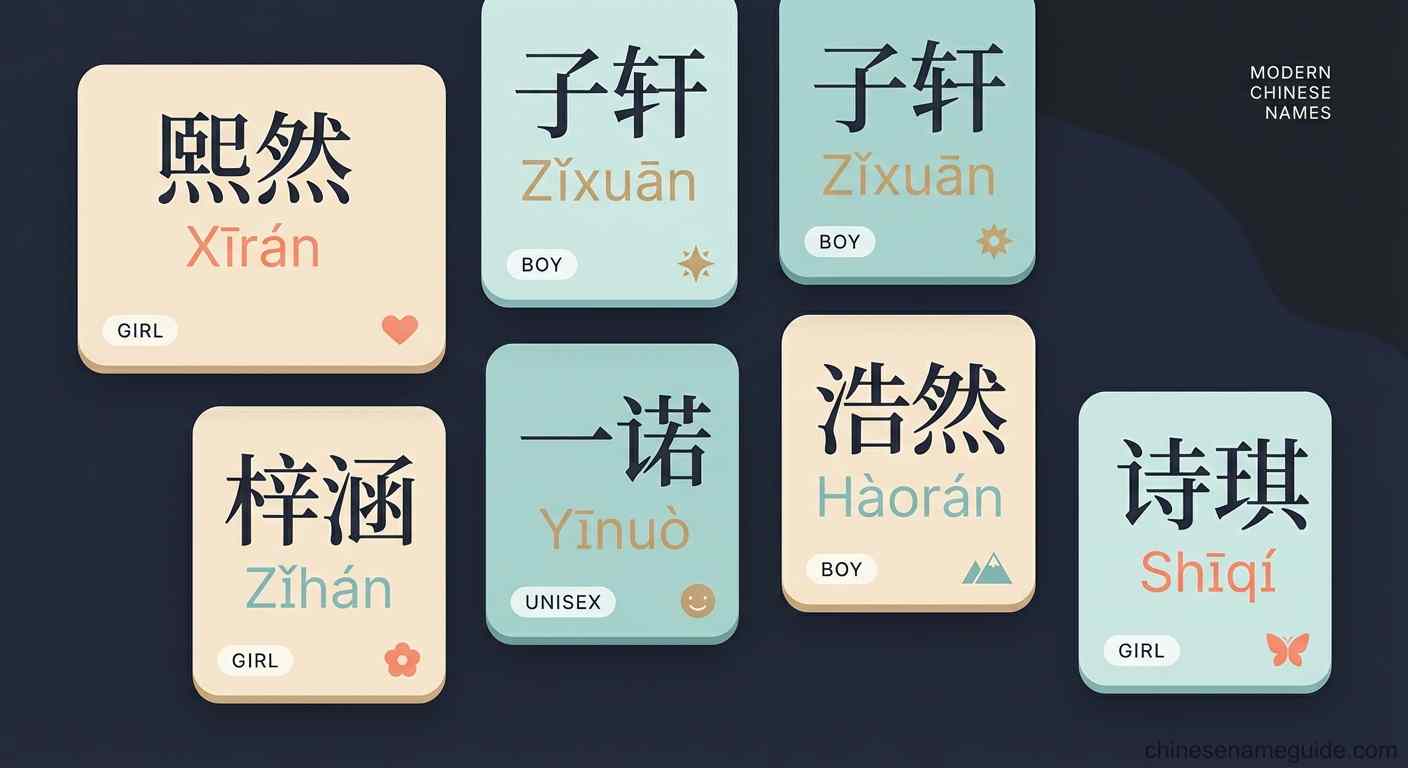
Forget Li Ming and Wang Wei. A ground-level look at what Chinese kids are really named today, what those names signal, and how to sound modern without sounding ridiculous.

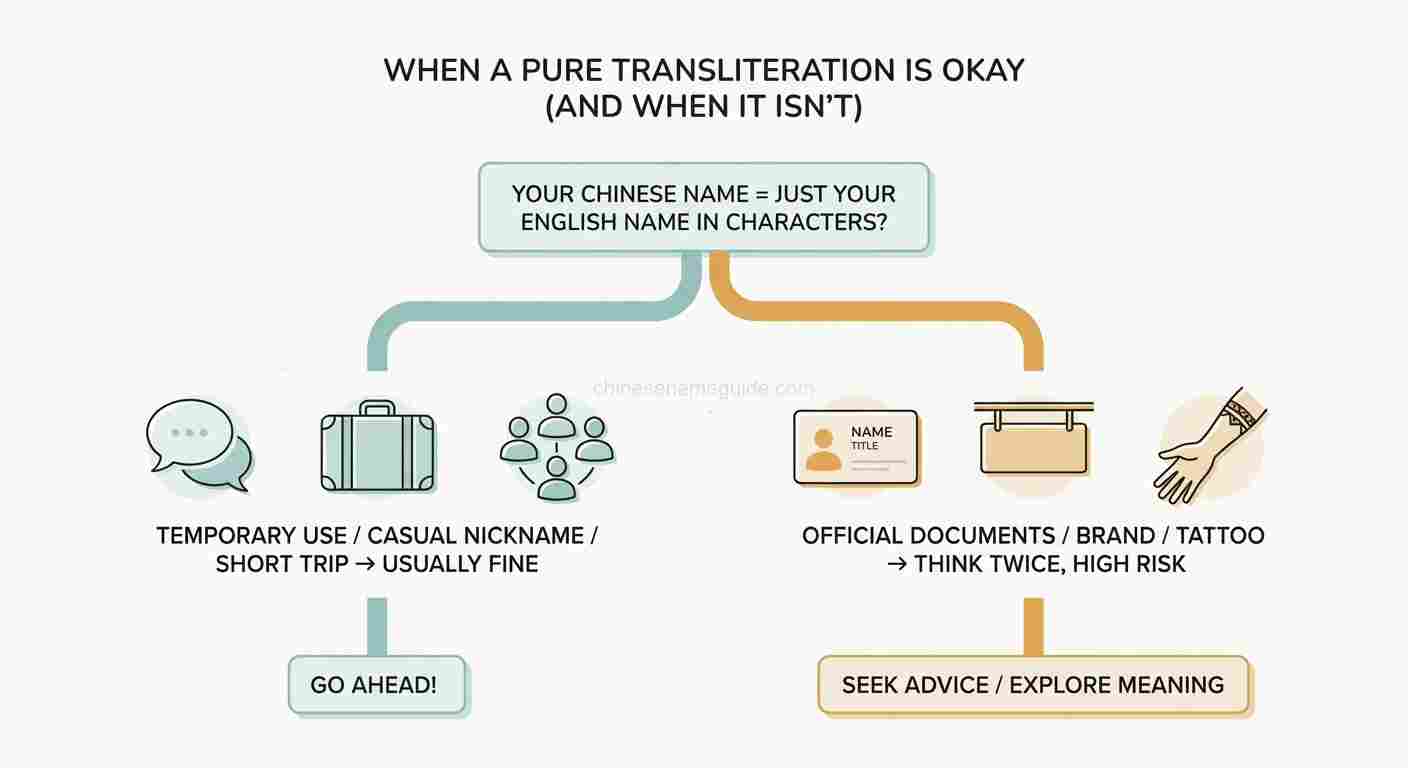
Why Most Chinese Name Generators Are Dangerous (Don't Get a Tattoo Yet!)
NamingNovember 23, 202511 min readEditorial review pending

Why Most Chinese Name Generators Are Dangerous (Don't Get a Tattoo Yet!)

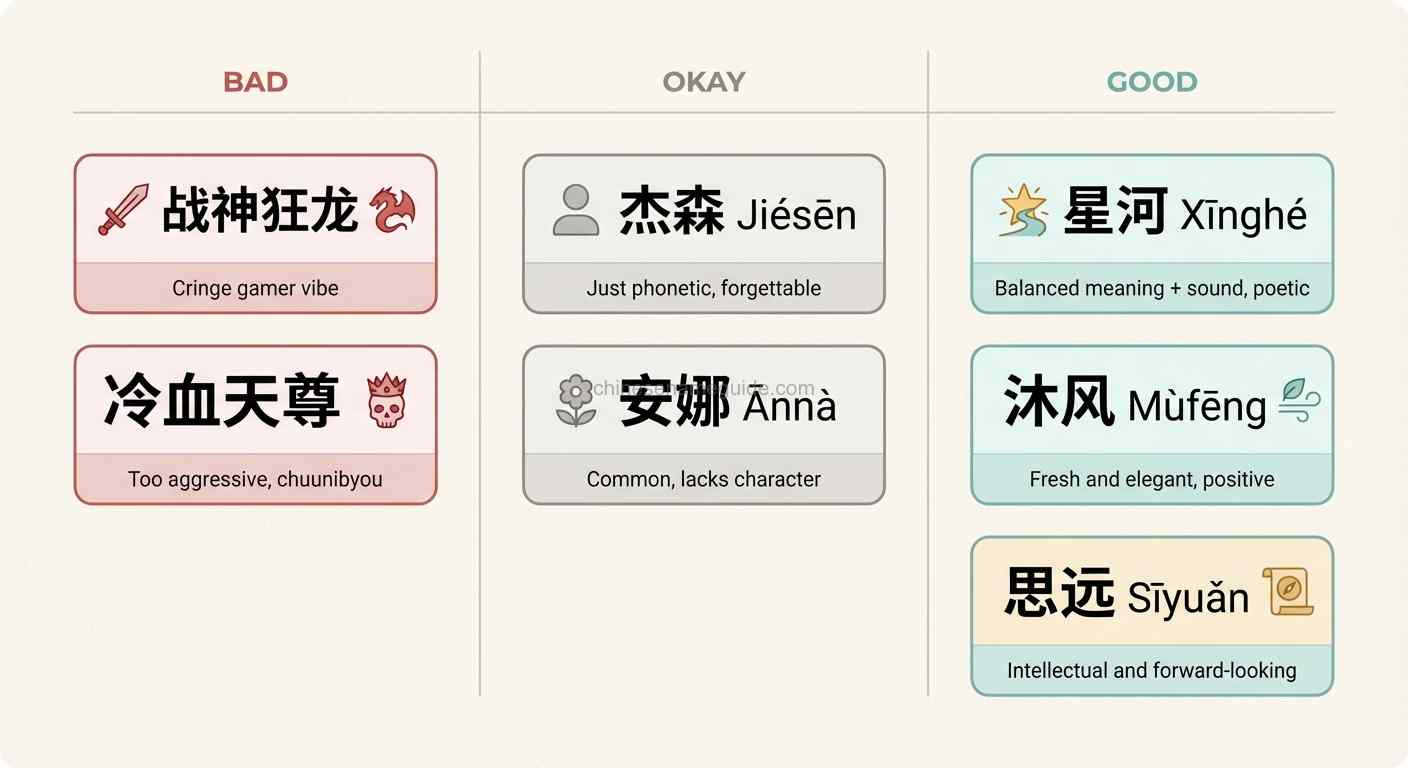
Before you tattoo a ‘cool Chinese name’ or launch a brand with it, read this. A brutally honest look at how most Chinese name generators actually work — and why they can quietly ruin your skin, your brand, or your reputation.

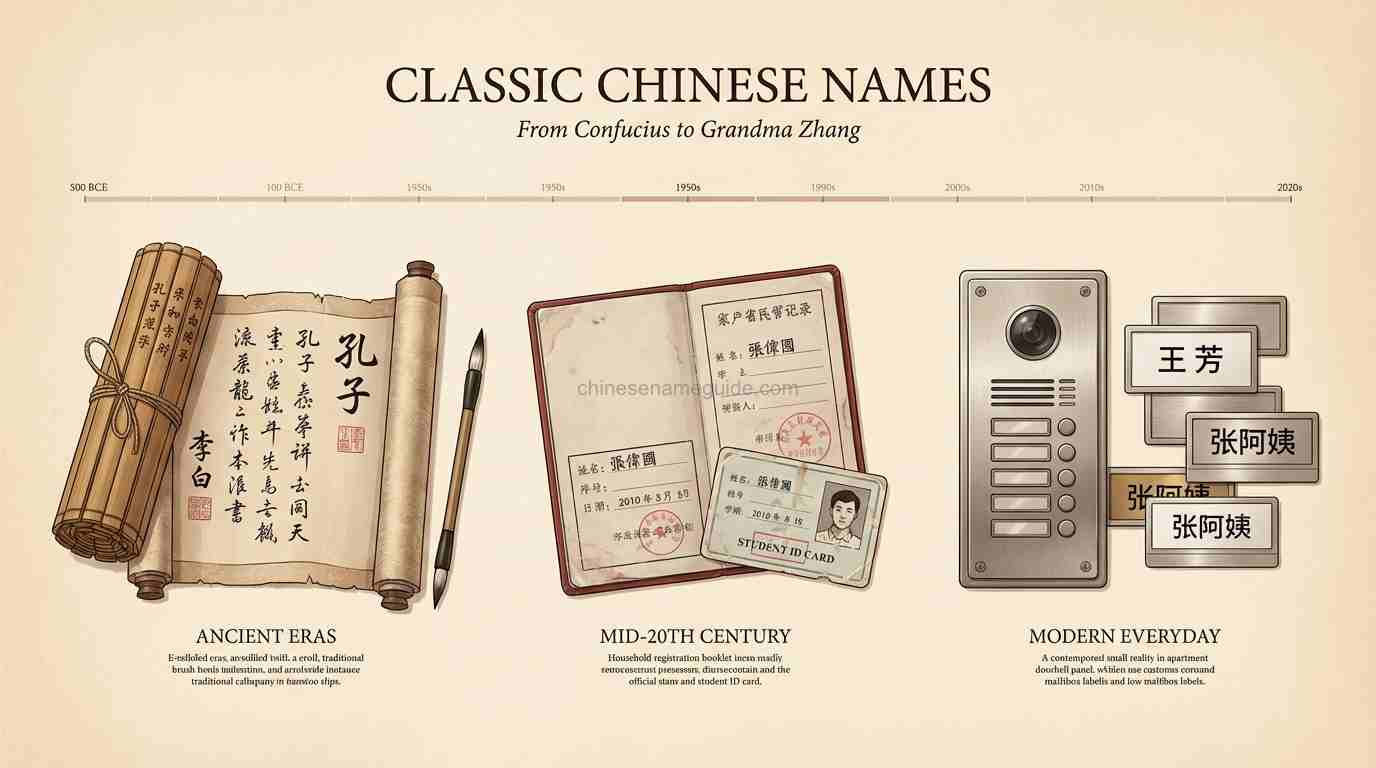
What Counts as a *Classic* Chinese Name? From Confucius to Grandma Zhang
CultureNovember 23, 202511 min readEditorial review pending

What Counts as a *Classic* Chinese Name? From Confucius to Grandma Zhang

When people say “classic Chinese names”, they might picture Confucius, Li Bai… or Auntie Wang downstairs. This guide unpacks what ‘classic’ really means, how traditional names were built, and how to create a name with an old-school Chinese feel today.

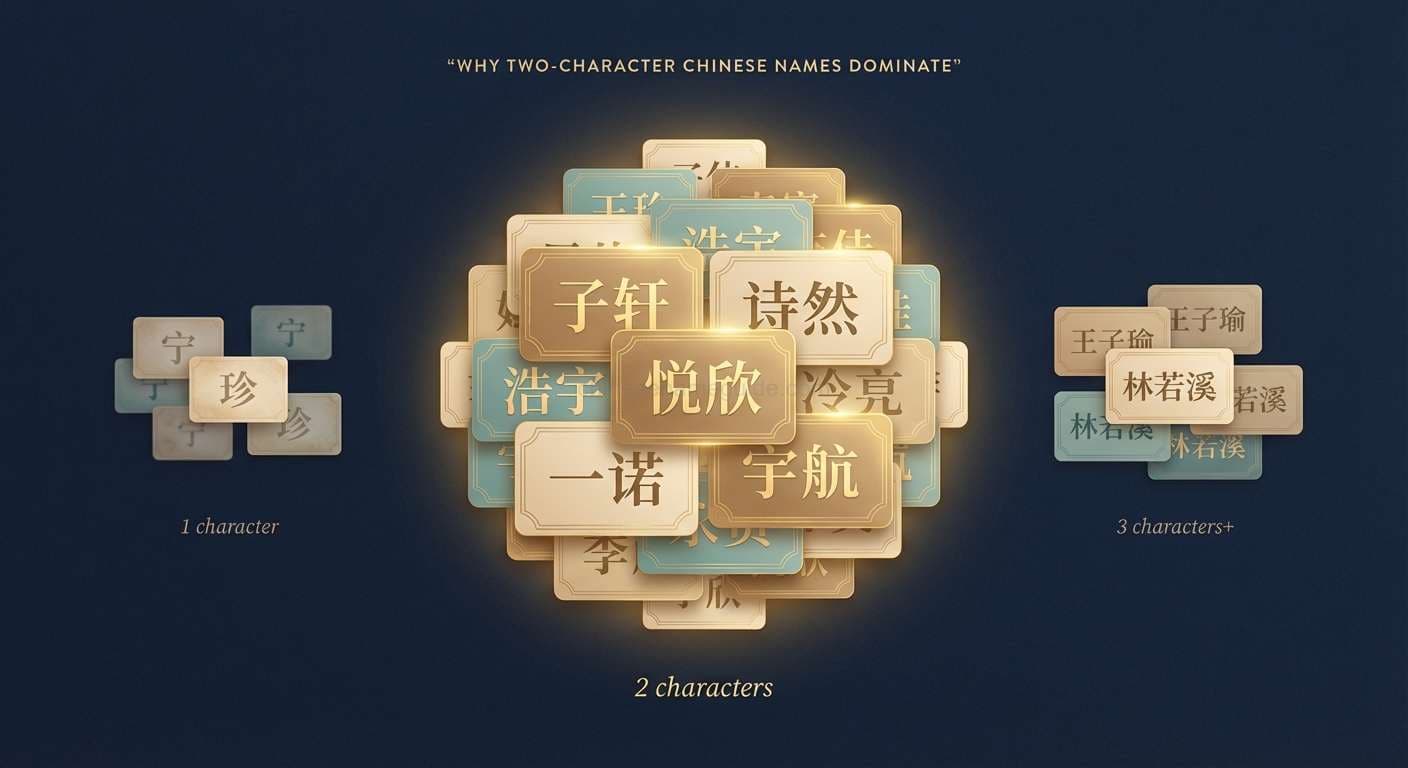
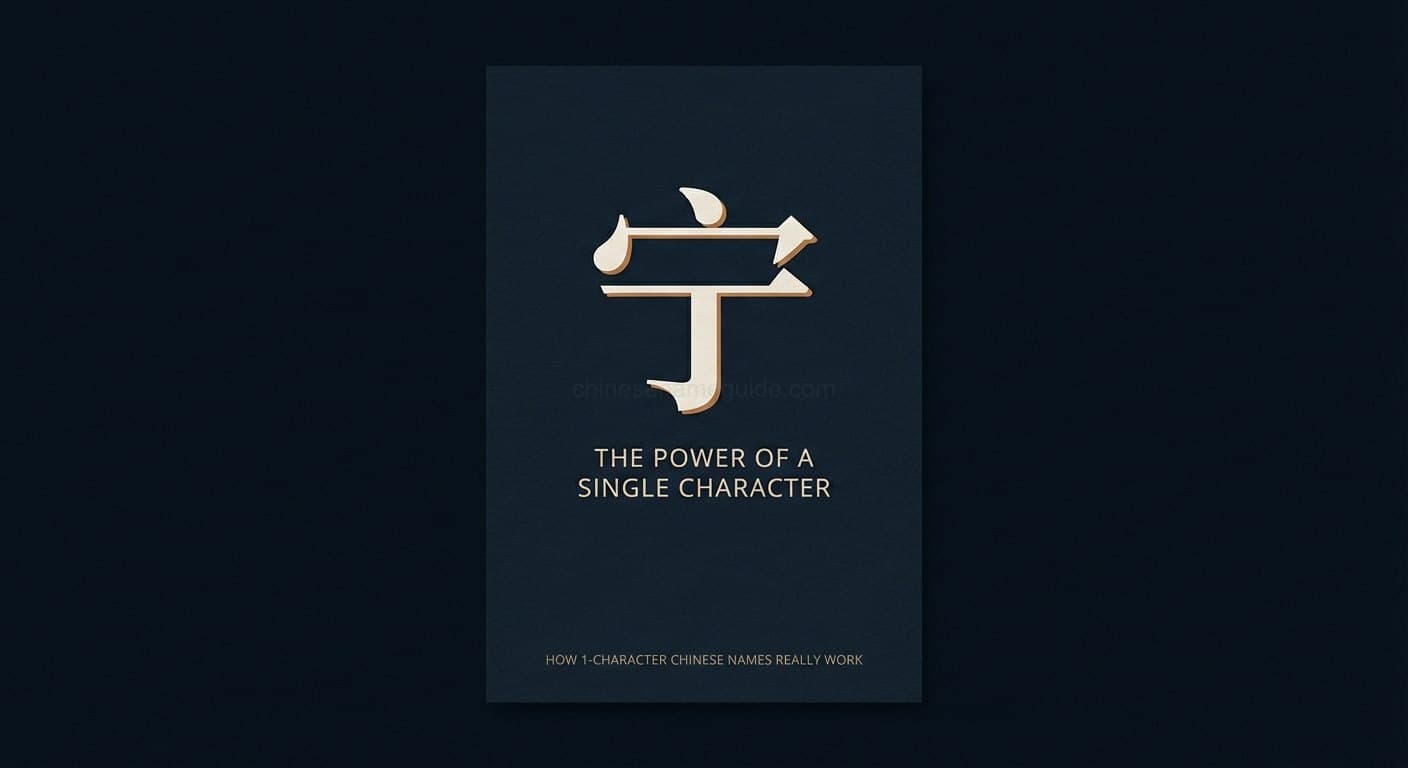
The Power of a Single Character: How 1-Character Chinese Names Really Work
NamingNovember 23, 202511 min readEditorial review pending

The Power of a Single Character: How 1-Character Chinese Names Really Work

In a world dominated by two-character Chinese given names, single-character names feel old, sharp, and strangely modern at the same time. This article explores where they come from, who uses them, and how to choose one without sounding like a cartoon villain.

Beyond Li and Wang: The Hidden World of Chinese Compound Surnames (复姓)
CultureNovember 23, 202511 min readEditorial review pending

Beyond Li and Wang: The Hidden World of Chinese Compound Surnames (复姓)

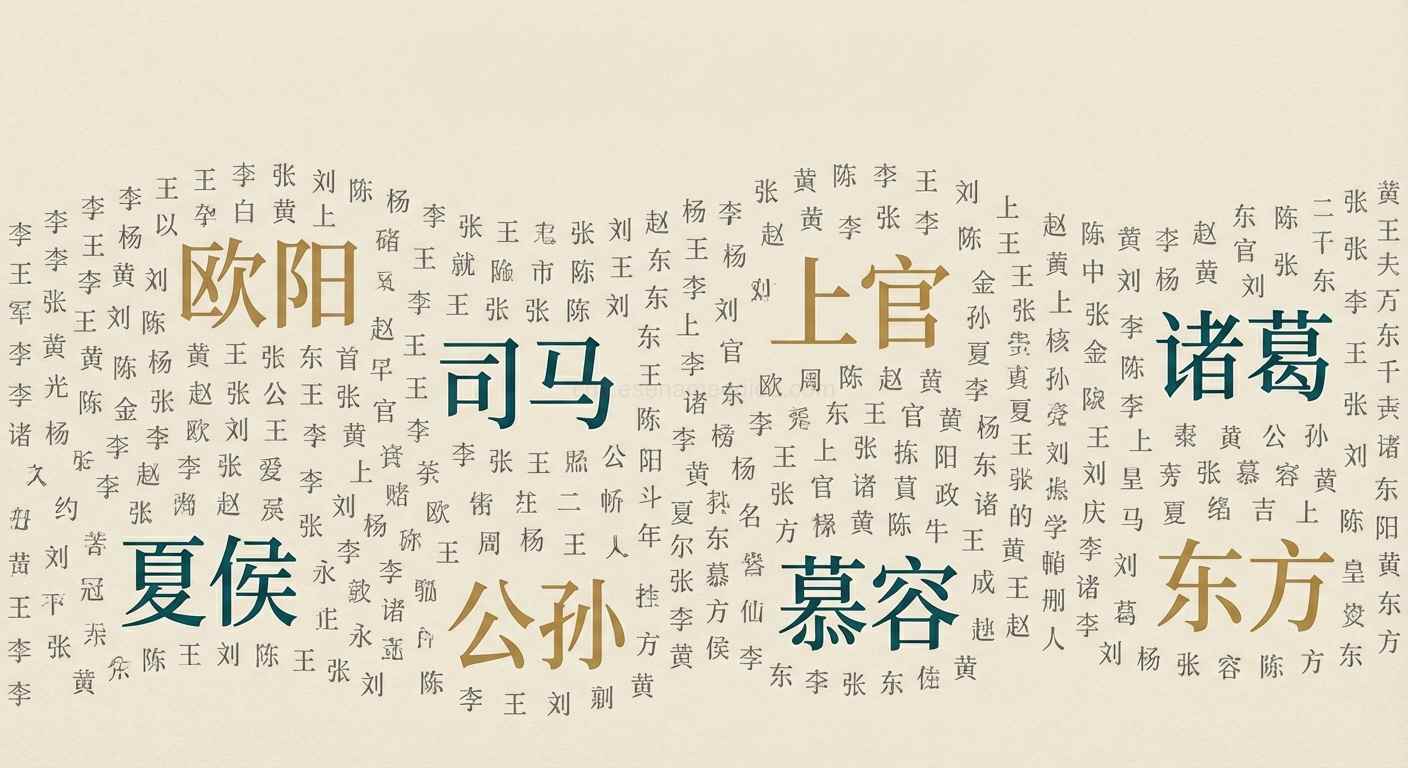
Most Chinese surnames are a single character, but a small group of multi-character ‘compound surnames’ preserve traces of ancient titles, clans, and borderland tribes. This guide explains what 复姓 are, where they came from, and what they signal in modern Chinese.

When Your Name Sounds Wrong: Tone, Rhythm, and Ping-Ze in Chinese Names
CultureNovember 23, 202511 min readEditorial review pending

When Your Name Sounds Wrong: Tone, Rhythm, and Ping-Ze in Chinese Names

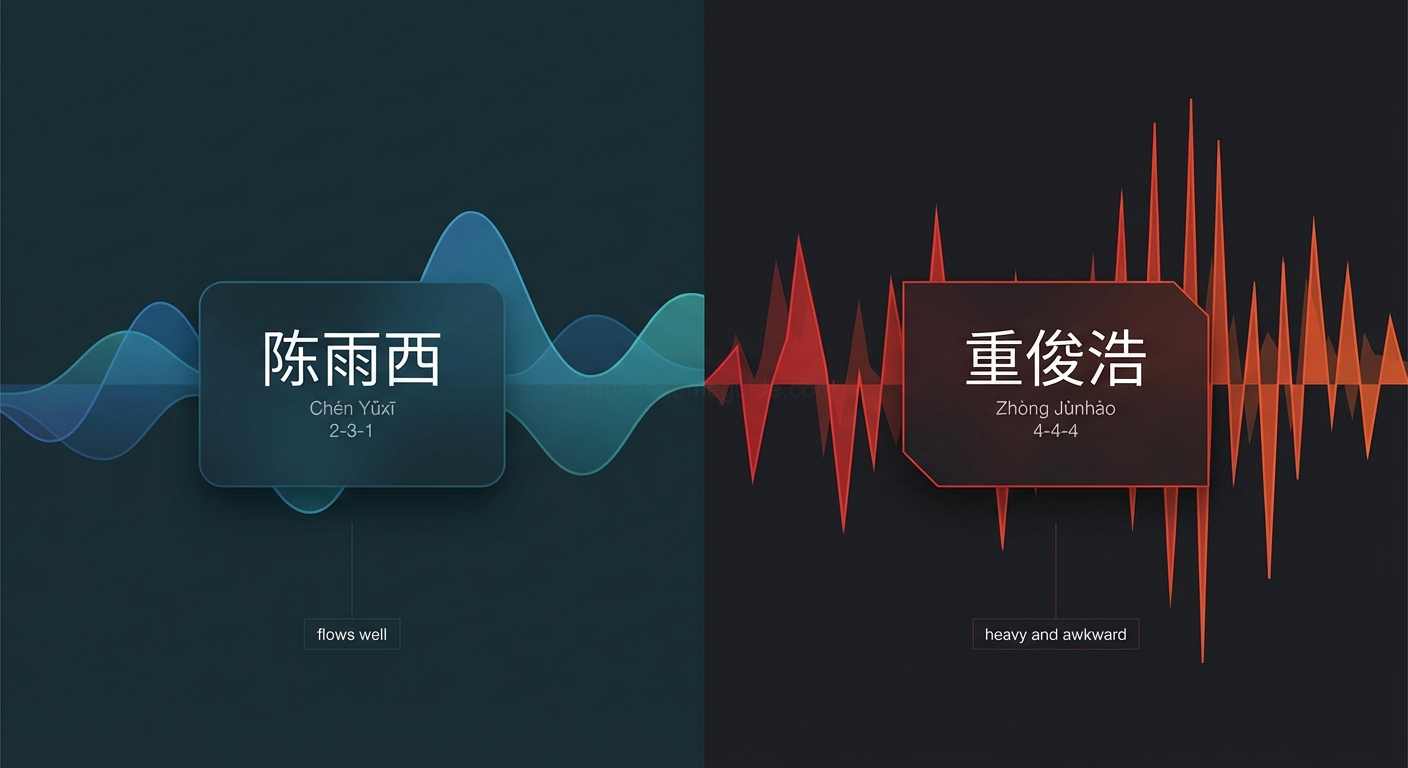
Meaning isn’t everything. This guide shows how tones, rhythm, and classical ping–ze patterns quietly shape what counts as a ‘good-sounding’ Chinese name—and how non-native speakers can avoid clunky, tongue-twister names.