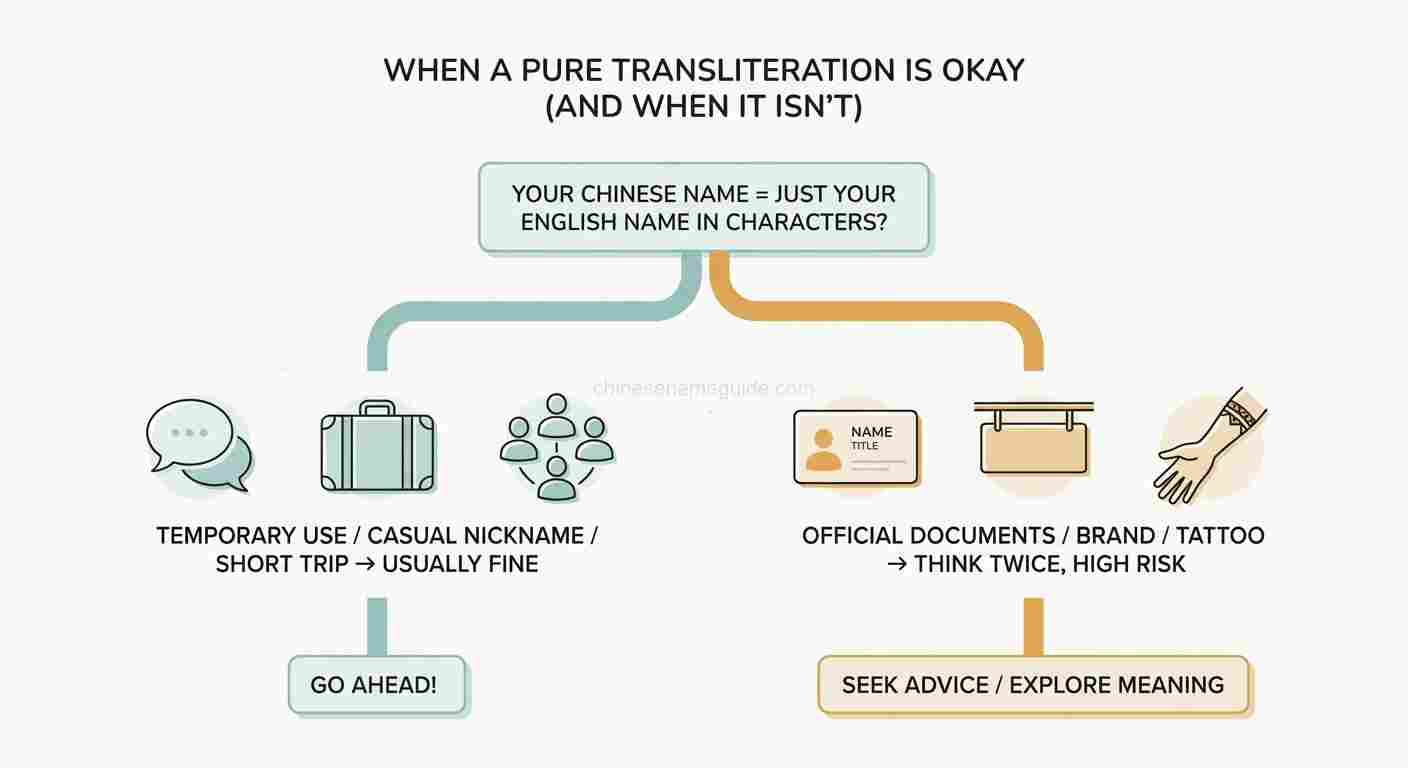
Chinese Name for Business: A Practical Guide for Non-Chinese Founders
How to choose a Chinese name for your company or brand that sounds good, makes sense, and actually works in the market.
If you want to do business with Chinese-speaking customers (Mainland China, Hong Kong, Taiwan, Singapore…), sooner or later you’ll face this question:
“What should my Chinese name be?”
Some companies ignore it and let distributors or random fans invent a name for them. Others just push the English name everywhere.
Both options usually lead to: inconsistent names, weird translations, lost brand value.
This guide shows you, step-by-step, how to choose a Chinese name for your business that:
- sounds natural in Mandarin
- fits your brand positioning
- avoids embarrassing meanings
- can actually be used on packaging, social media, and legal documents
Do You Really Need a Chinese Name?
Short answer: if you want real presence in a Chinese-speaking market, yes.
You especially need a Chinese name if:
- You sell consumer products (food & drink, cosmetics, fashion, tech, apps)
- You expect people to talk about you verbally (word-of-mouth, influencers)
- You plan to have a Chinese website, WeChat account, Little Red Book, etc.
- Your English brand name is hard to pronounce for Chinese speakers
You might get away without one if:
- You only do B2B deals with a few large partners
- Your brand name is already one easy syllable (e.g., “Zoom”) and Chinese people already use it as-is
But even then, having a clear, official Chinese name avoids confusion, especially when media or distributors write about you.
Three Main Types of Chinese Business Names
When we say “Chinese name for business”, we actually mean three slightly different things:
- Legal company name – used on official registration, contracts, invoices
- Brand name – the name consumers see on packaging, websites, social media
- Nickname / alias – casual, informal name fans or media may use
This article focuses mainly on the brand name, but it’s useful to know the types:
1 Legal company name
A formal structure like:
地区 + 字号(品牌/字号) + 行业描述 + 有限公司
Example (rough structure):
- 上海 + 星晨 + 科技 + 有限公司
- “Shanghai Xingchen Technology Co., Ltd.”
You don’t need to design this yourself at first. Local agencies or partners usually help, and it must follow local rules.
2 Brand name
This is what you print on your product and website:
- A short, memorable 2–4 character name
- May or may not match your legal name exactly
- Example: 星巴克 (Starbucks), 可口可乐 (Coca-Cola), 耐克 (Nike)
This is your main creative playground.
3 Nickname / alias
Sometimes the market will create its own:
- Shortened forms
- Funny variations
- Nicknames based on logo, color, or founder
You can’t fully control this, but if you design a good brand name, nicknames are more likely to be positive.

Three Naming Strategies: Sound, Meaning, Hybrid
Most Chinese business names follow one (or a mix) of these strategies:
1 Sound-first (phonetic) names
Goal: keep the sound of your English name.
- Take your English name and approximate its pronunciation with Chinese syllables
- Usually 2–4 characters
- Meaning can still be positive, but sound is the main driver
Pros:
- Easier to link back to your original English brand
- Good for strong global brands that want consistency
Cons:
- Sometimes you have to accept “ok meaning” rather than perfect
- Needs careful checking to avoid accidental bad meanings or slang
Suitable if:
- Your English name is already distinctive
- You care more about global consistency than deep local symbolism
2 Meaning-first (semantic) names
Goal: capture the idea / positioning, not the original sound.
- Start from your brand values, product benefit, target user
- Choose Chinese characters that express those ideas
- The Chinese name may sound completely different from the English name
Pros:
- Can feel very natural and meaningful to Chinese customers
- Easier to create a beautiful, poetic name
- Sometimes easier for SEO and word-of-mouth
Cons:
- Less obvious link to the original English name
- You’ll need to communicate that they are “the same brand”
Suitable if:
- You are early-stage in China and still building brand awareness
- Your English name is hard or awkward to pronounce
- You want a name that feels truly “local” and meaningful
3 Hybrid names (sound + meaning)
Goal: have both recognizable sound and good meaning.
- Pick characters that sound similar to your English brand
- But also work together to create a positive meaning
This is the “holy grail” of Chinese brand naming.
Pros:
- Easier for Chinese consumers to remember the connection
- Name still feels meaningful, not random noise
Cons:
- Harder to find the perfect combination
- Often requires multiple rounds of brainstorming
Suitable for:
- Consumer brands planning long-term presence
- Brands that are okay with a slightly flexible pronunciation match
Key Constraints: What Makes a Name “Work” in Chinese?
Before we get into process, it helps to know what native speakers care about.
1 Length: 2–4 characters is ideal
- 2 characters: punchy, strong, easy to remember
- 3 characters: very common, flexible rhythm
- 4 characters: more idiom-like, can sound wise or poetic, but slightly harder to remember
Longer than 4 characters usually feels like a slogan or phrase, not a brand name.
2 Tone & rhythm
Even if you don’t fully understand tones, native speakers subconsciously feel:
- Some tone patterns sound heavier / more serious
- Others feel light / playful
You don’t need to design this yourself, but:
- Avoid tongue-twister names
- Avoid combinations that are hard for you (and others) to pronounce
- If a name is hard for you to say after practice, it’s probably hard for your customers too
3 Character meaning & associations
Every character carries:
- A basic dictionary meaning
- Common word combinations it appears in
- Sometimes historical, regional, or slang associations
You should avoid:
- Characters heavily tied to disease, death, bad luck, poverty
- Characters that feel too old-fashioned for your audience (unless that’s your brand)
Aim for:
- Positive values: 荣 (honor), 智 (wisdom), 安 (peace), 乐 (joy), 诚 (honesty)…
- Neutral but pleasant words from nature, light, sky, stars, ocean etc.
A Step-by-Step Process to Find Your Name
Here’s a simple process you can follow, even as a non-Chinese founder. You can do steps 1–3 yourself, and then work with a native speaker for steps 4–6.
Step 1 – Clarify your English brand “keywords”
Write down:
- Your brand values (3–5 words):
- e.g. “trusted”, “playful”, “modern”, “eco-friendly”
- Your product category:
- e.g. “coffee chain”, “fitness app”, “designer clothing”
- The emotion you want people to feel:
- e.g. “calm”, “excited”, “empowered”
This list will later map to Chinese concepts.
Step 2 – Decide your naming strategy
Pick one main direction:
- Sound-first (keep the global brand sound)
- Meaning-first (local, conceptual name)
- Hybrid (try to do both)
If you’re not sure, start with hybrid: allow 1–2 syllables to echo your English name, but be ready to adjust.
Step 3 – Collect candidate characters & words
With a Chinese-speaking collaborator (or a good naming resource), build a word bank:
- 10–20 positive characters that match your values
- A few category words (e.g. 服, 茶, 咖啡, 科技, 云, 星, 海)
- Some sound-matching characters if you go phonetic / hybrid
You are not naming yet, just collecting LEGO bricks.
Step 4 – Combine into name candidates
Start combining:
- 2-character combos: 驭光, 星享, 乐云, 若海…
- 3-character combos: 星云客, 乐小筑, 云上家…
Check for:
- Pronounceability (for both you and your team)
- Obvious bad meanings or awkwardness
- Basic visual balance (too many complex characters together may look heavy)
Step 5 – Native speaker review (non-negotiable)
Have at least one native speaker review each candidate for:
- Hidden meanings, slang, cultural references
- Whether it sounds cheap, pretentious, old-fashioned, or genuinely good
- Any confusion with existing famous brands in your category
You can ask them to rank options:
- “Top 3 names that you would feel okay seeing on a real product / app.”
- “Names that feel especially strong or elegant.”
Step 6 – Check availability
Even at a basic level, you should:
- Search the candidate name on Chinese search engines / social platforms
- See what existing brands use the same or similar names in your category
- Ensure there are no obvious legal conflicts (for serious use, consult a local IP lawyer or agency)
Examples (Patterns You Can Copy, Not Names to Copy)
Here are a few pattern examples (not legal advice, not recommendations to copy exactly, just to show structure):
💡 Note: These are illustrative patterns, not actual naming suggestions for your business. Always check trademarks and availability.
1 Tech / SaaS style
Common building blocks:
- 云 (cloud), 数 (data), 智 (smart), 星 (star), 科 (tech), 讯 (info), 链 (link)
Patterns:
- [Value/vision] + [Category/tech]
- e.g. 智云 (smart + cloud), 星链 (star + link), 慧数 (wise + data)
Vibe:
- Short, strong, somewhat abstract; good for tech & B2B.
2 Lifestyle / D2C consumer goods
Building blocks:
- 乐 (joy), 舒 (comfort), 慢 (slow), 轻 (light), 木 (wood), 森 (forest), 柔 (soft)
Patterns:
- [Emotion] + [Object / nature]
- e.g. 轻森 (light + forest), 乐木 (joy + wood), 舒云 (comfortable + cloud)
Vibe:
- Softer, more cozy; good for home, personal care, wellness.
3 Food & beverage
Building blocks:
- 味 (flavor), 香 (fragrant), 鲜 (fresh), 茶 (tea), 酿 (brew), 糕 (cake), 酥 (crispy)
Patterns:
- [Characteristic] + [Category]
- e.g. 香酿 (fragrant brew), 慢味 (slow taste), 星茶 (star tea)
Vibe:
- Sensory, appealing, easier to visualize.
Common Mistakes Foreign Brands Make
1 Literal translation of English tagline, not brand
Example: turning “Sky is the limit” into something like “天空是极限公司” and using it as a brand name.
→ It sounds like a slogan, not a brand, and often feels unnatural.
2 Over-complicated, long names
- Names with 5–6+ characters
- Or phrases that look like full sentences
→ Hard to remember, awkward to print on packaging, no one wants to say them out loud.
3 Ignoring tones & potential puns
Even if you don’t understand tones, Chinese people do. A combination might:
- Accidentally sound like a dirty word
- Echo the name of a low-quality brand
- Trigger a bad idiom you never knew
→ Easy to avoid if you always do a native check.
4 Letting distributors / random fans decide
If you don’t provide an official Chinese name, others will:
- Different distributors use different names
- Media invent their own Chinese nicknames
- You lose control of both branding and legal clarity
Checklist Before You Lock It In
Before your design team starts on logos and packaging, run through this list:
- Name is 2–4 characters long
- You can pronounce it (with practice) and so can your team
- At least one native speaker says: “Yes, I would believe this as a real brand”
- No obvious negative or awkward meanings
- Not identical or too similar to a major competitor
- Works for your main product category
- It fits both offline (signs, packaging) and online (domains, social handles)
- Strategy is clear: sound-first / meaning-first / hybrid
If you can tick most of these boxes, you’re close.
Final Thoughts
Choosing a Chinese name for your business is not just a translation exercise. It’s a small branding project:
- It forces you to clarify what your brand really stands for.
- It gives you a chance to connect with Chinese customers on their terms.
- A good name can live happily next to your English name and support it.
You don’t need to become a Mandarin expert. You just need a structured process, a clear strategy, and a couple of native-speaker checkpoints.
Do that, and your “Chinese name for business” won’t be a random decoration — it’ll be a real asset.
Related Articles
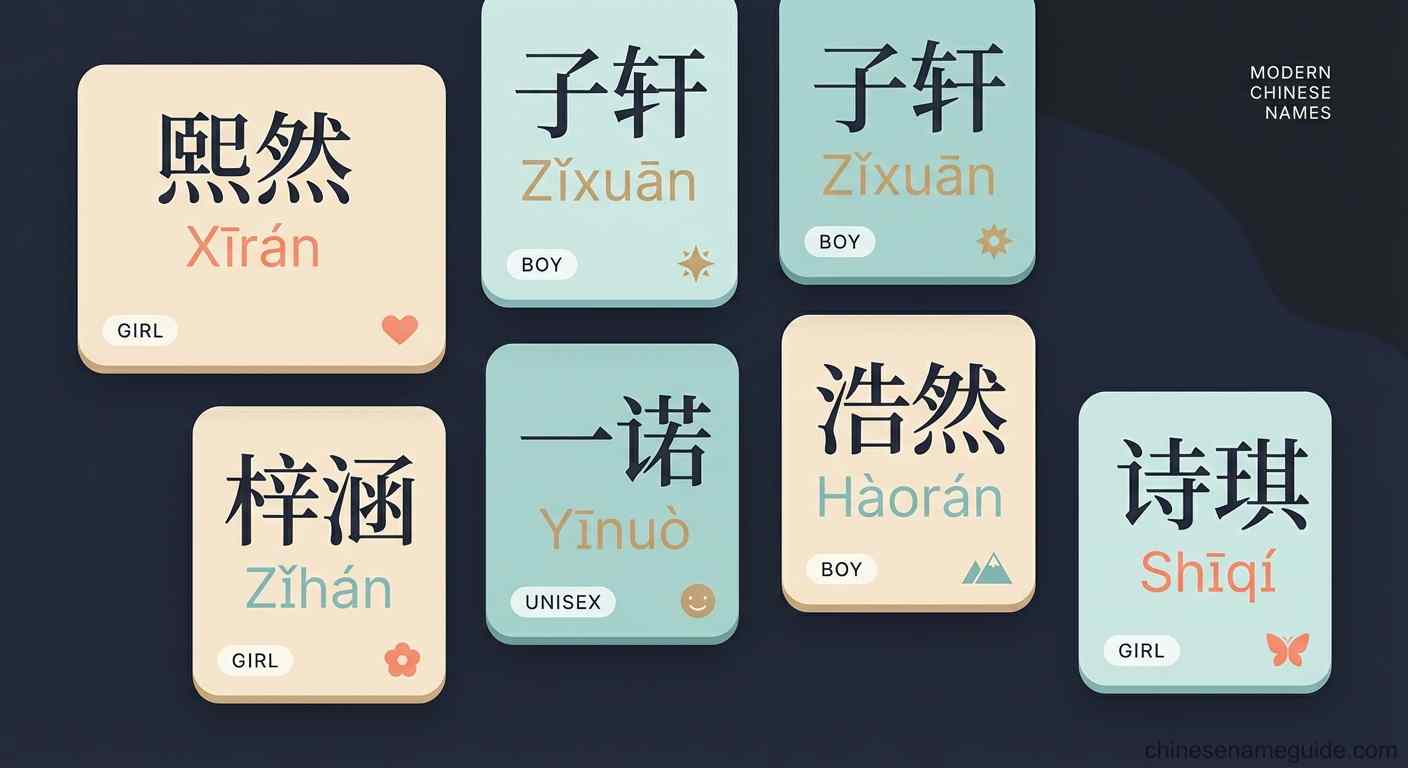
Modern Chinese Names: What Kids Are Actually Called Now
Forget Li Ming and Wang Wei. A ground-level look at what Chinese kids are really named today, what those names signal, and how to sound modern without sounding ridiculous.
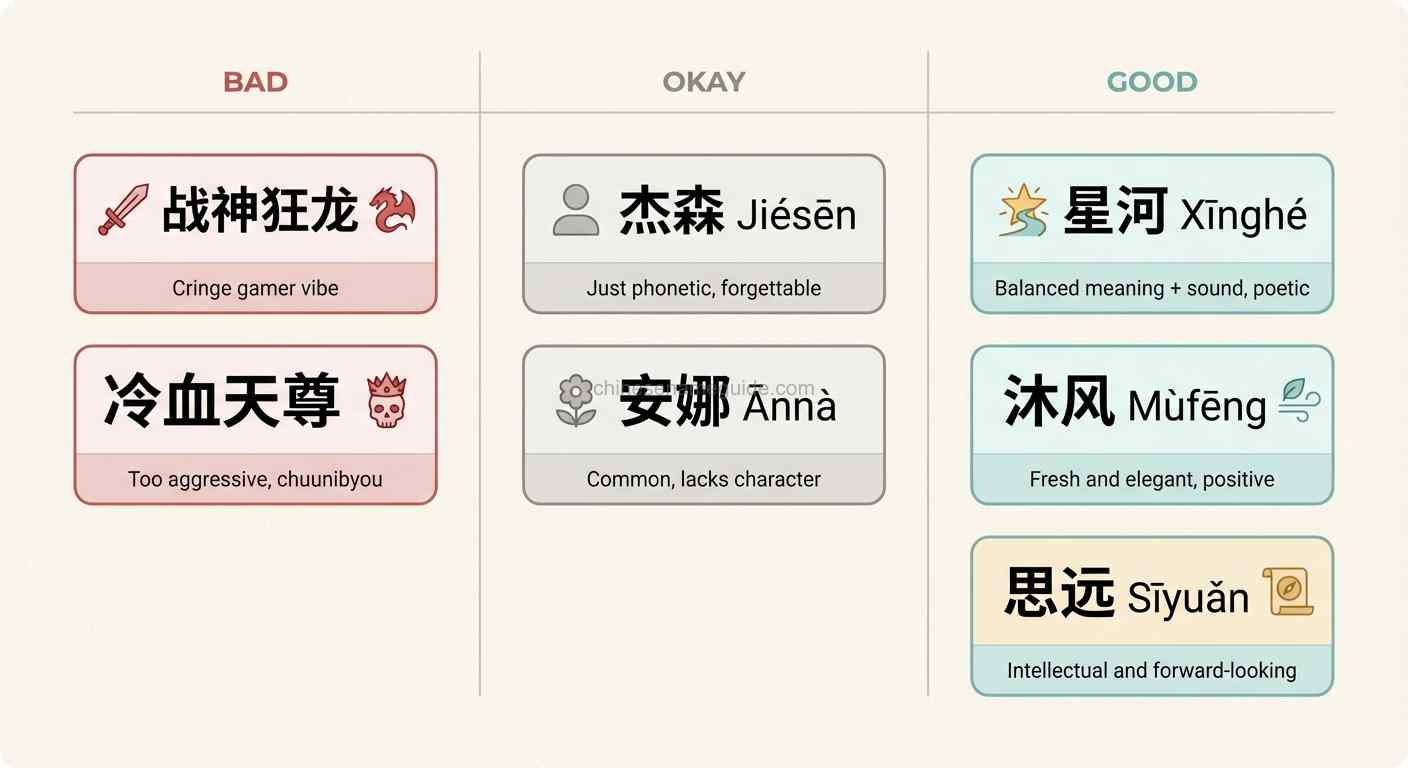
Why Most Chinese Name Generators Are Dangerous (Don't Get a Tattoo Yet!)
Before you tattoo a ‘cool Chinese name’ or launch a brand with it, read this. A brutally honest look at how most Chinese name generators actually work — and why they can quietly ruin your skin, your brand, or your reputation.