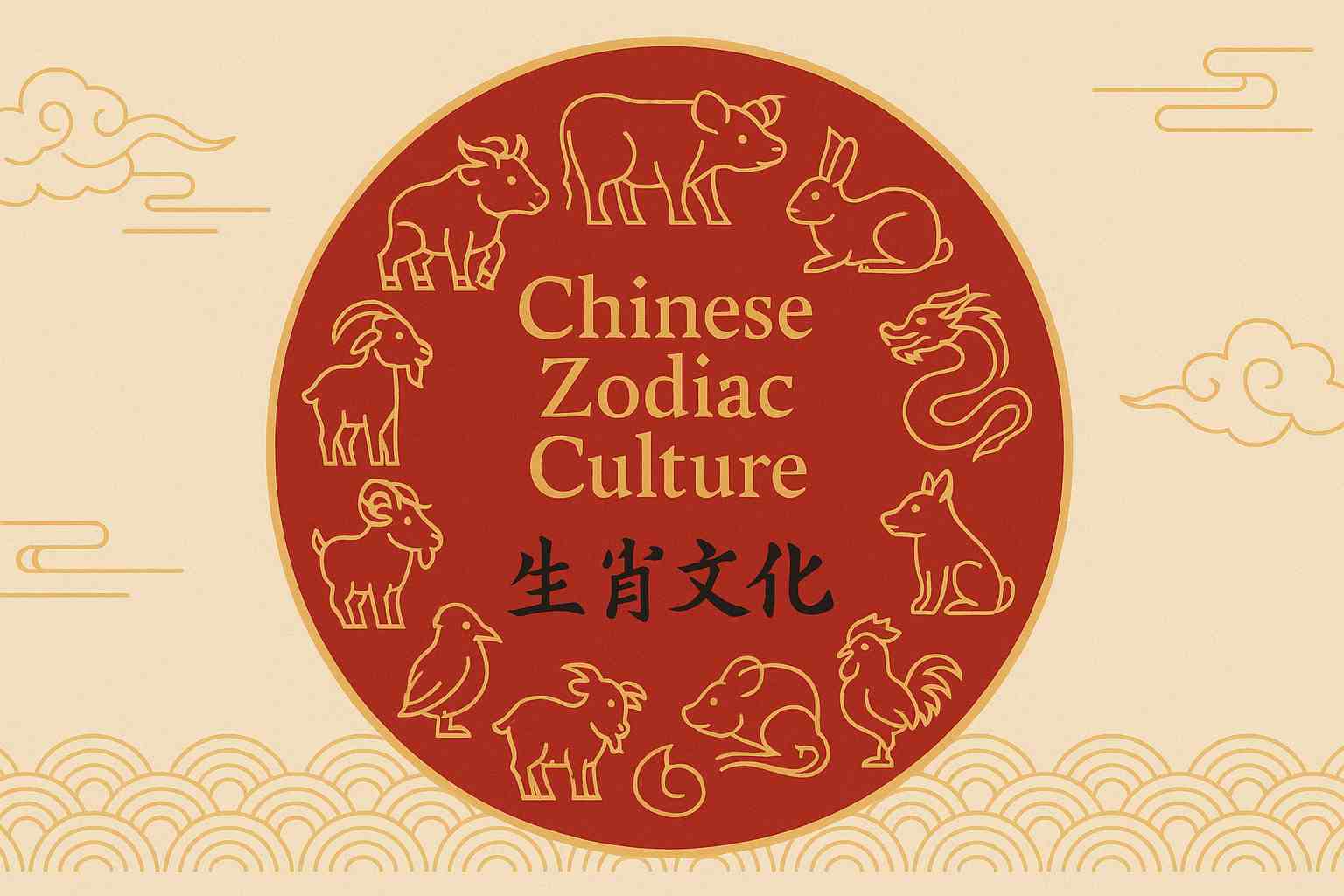
An Introduction to China’s Zodiac Culture
Understanding the 12-Year Cycle, Its Origins, and Modern Relevance
Understanding the 12-Year Cycle, Its Origins, and Modern Relevance
What Is the Chinese Zodiac?
The Chinese Zodiac (生肖, shēngxiào) is a repeating 12-year cycle in which each year is represented by an animal sign. More than a simple calendar device, the system weaves together astronomy, mythology, and folk wisdom to explain personality, fate, and social relationships.
| Order | Animal | Mandarin (Pinyin) | Recent/Upcoming Years¹ | Core Personality Keywords |
|---|---|---|---|---|
| 1 | Rat | 鼠 (shǔ) | 2008, 2020, 2032 | Quick-witted, resourceful |
| 2 | Ox | 牛 (niú) | 2009, 2021, 2033 | Diligent, reliable |
| 3 | Tiger | 虎 (hǔ) | 2010, 2022, 2034 | Brave, confident |
| 4 | Rabbit | 兔 (tù) | 2011, 2023, 2035 | Gentle, cautious |
| 5 | Dragon | 龙 (lóng) | 2012, 2024, 2036 | Ambitious, charismatic |
| 6 | Snake | 蛇 (shé) | 2013, 2025, 2037 | Wise, enigmatic |
| 7 | Horse | 马 (mǎ) | 2014, 2026, 2038 | Energetic, free-spirited |
| 8 | Goat | 羊 (yáng) | 2015, 2027, 2039 | Artistic, compassionate |
| 9 | Monkey | 猴 (hóu) | 2016, 2028, 2040 | Inventive, playful |
| 10 | Rooster | 鸡 (jī) | 2017, 2029, 2041 | Observant, outspoken |
| 11 | Dog | 狗 (gǒu) | 2018, 2030, 2042 | Loyal, just |
| 12 | Pig | 猪 (zhū) | 2019, 2031, 2043 | Generous, easy-going |
Note 1: The zodiac year begins at Lunar New Year (between Jan 21 – Feb 20), not on January 1.
Mythical Origins
A popular legend tells of the Jade Emperor who summoned the animal kingdom to a celestial race; the first twelve to finish would earn a place in the cycle. Teamwork (Rat riding Ox), quirks (Cat oversleeping), and cunning (Snake sneaking ahead) give the tale moral flavor while explaining the animals’ sequence.
Heavenly Stems, Earthly Branches & Astronomy
The zodiac interfaces with the Sexagenary Cycle—a 60-year permutation of 10 Heavenly Stems (elements such as Wood 甲, Fire 丙) and 12 Earthly Branches (the animals). Each year therefore has a dual identity, e.g., Wood Dragon (2024) or Fire Snake (2025). Historically, this system timed agricultural tasks and imperial events long before the Gregorian calendar reached China.
Zodiac and Personal Identity
Birth-Year Beliefs
Many Chinese believe one’s zodiac animal influences personality, compatibility, and even career aptitude:
- Dragons are said to excel in leadership and entrepreneurship.
- Rabbits may thrive in diplomacy, design, or counseling.
- Monkeys often gravitate toward creative or tech innovation roles.
Ben Ming Nian (本命年) – Your Own Year
Every 12th year—your Ben Ming Nian—is considered a critical turning point that can bring both opportunity and vulnerability. Red accessories (belts, bracelets, socks) are worn for protection, turning an ancient cosmological caution into a fashionable tradition.
Social Compatibility: The Love-Match Matrix
Traditional matchmakers overlay two birth animals to gauge harmony:
- High Compatibility: Rat + Dragon (mutual admiration), Goat + Horse (yin-yang balance)
- Challenging Pairings: Tiger + Monkey (clash of egos), Snake + Pig (different value systems)
Modern couples treat such pairings as conversation starters rather than destiny, but the custom remains a fun icebreaker at Chinese weddings.
Zodiac in Contemporary Culture
- Business & Marketing: Brands release limited-edition products—Year of the Dragon sneakers or Rabbit-themed luxury watches—to court consumers’ auspicious sentiments.
- Pop Culture: Zodiac motifs appear in anime, K-pop fan chants, and Hollywood films like Kung Fu Panda (the Furious Five echo five zodiac animals).
- Diaspora Celebrations: From San Francisco’s grand Lunar New Year parade to London’s Chinatown fireworks, the zodiac is a cultural bridge connecting East and West.
Practical Tips for Western Visitors
| Scenario | Etiquette Insight |
|---|---|
| Gift-Giving | Offering a child an item featuring their zodiac animal is considered thoughtful and lucky. |
| Dining Invitations | Toasting a host by noting the upcoming zodiac year shows cultural literacy. |
| Business Meetings | Light conversation about birth animals can break the ice, but avoid predicting fortunes unless invited—opinions vary. |
Frequently Asked Questions
- Does the zodiac influence career or marriage decisions today?
Mostly in a light-hearted way. Younger generations treat it like Western horoscopes—entertaining but not binding. - What if I’m born in January?
Check the Lunar New Year date for your birth year; you might belong to the previous animal sign. - Is the Cat part of any Chinese zodiac?
No. The Cat appears in Vietnamese and Gurung zodiacs, but Chinese folklore replaced it with the Rabbit (some legends say the Rat tricked the Cat, explaining cats’ disdain for mice!).
Key Takeaways
- The Chinese Zodiac is a 12-animal, 12-year cycle intertwined with a larger 60-year calendar.
- It blends astronomy, mythology, and social customs, shaping festivals and everyday small talk.
- While not a strict belief system, the zodiac remains a living cultural code—vital for understanding Chinese festivals, business etiquette, and pop culture trends.
Whether you’re co-designing a cross-cultural marketing campaign or simply choosing a Lunar New Year greeting card, knowing the basics of the Chinese zodiac will enrich your connection to one of the world’s oldest continuous civilizations.
Related Articles
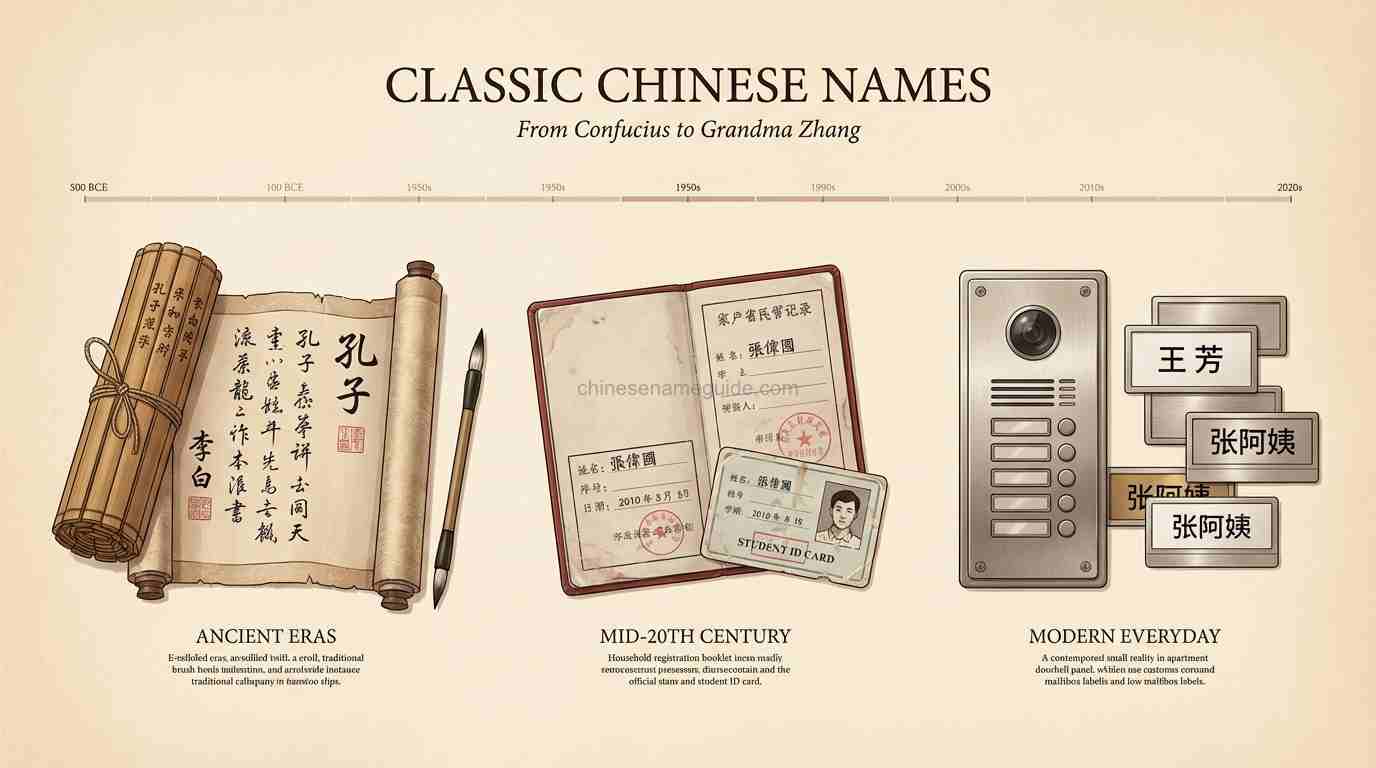
What Counts as a *Classic* Chinese Name? From Confucius to Grandma Zhang
When people say “classic Chinese names”, they might picture Confucius, Li Bai… or Auntie Wang downstairs. This guide unpacks what ‘classic’ really means, how traditional names were built, and how to create a name with an old-school Chinese feel today.
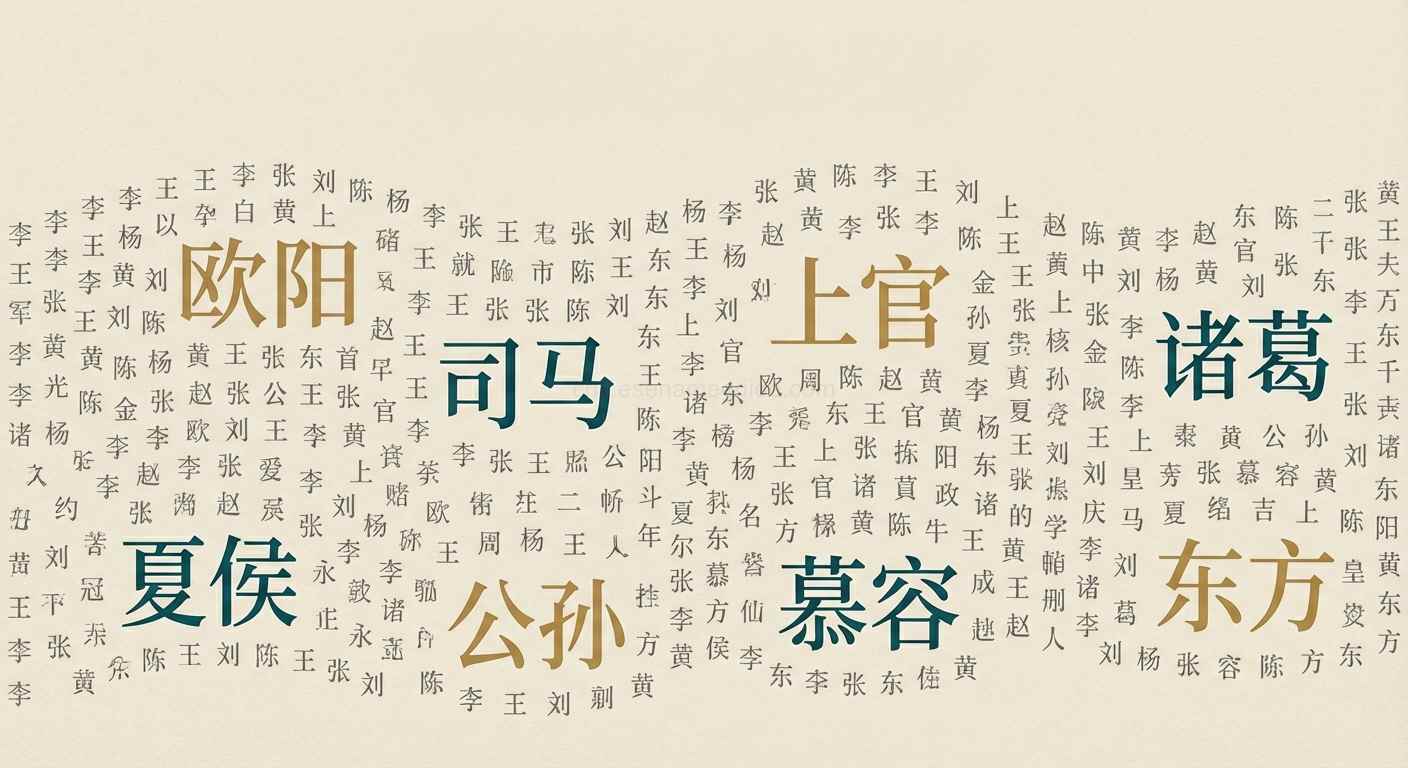
Beyond Li and Wang: The Hidden World of Chinese Compound Surnames (复姓)
Most Chinese surnames are a single character, but a small group of multi-character ‘compound surnames’ preserve traces of ancient titles, clans, and borderland tribes. This guide explains what 复姓 are, where they came from, and what they signal in modern Chinese.
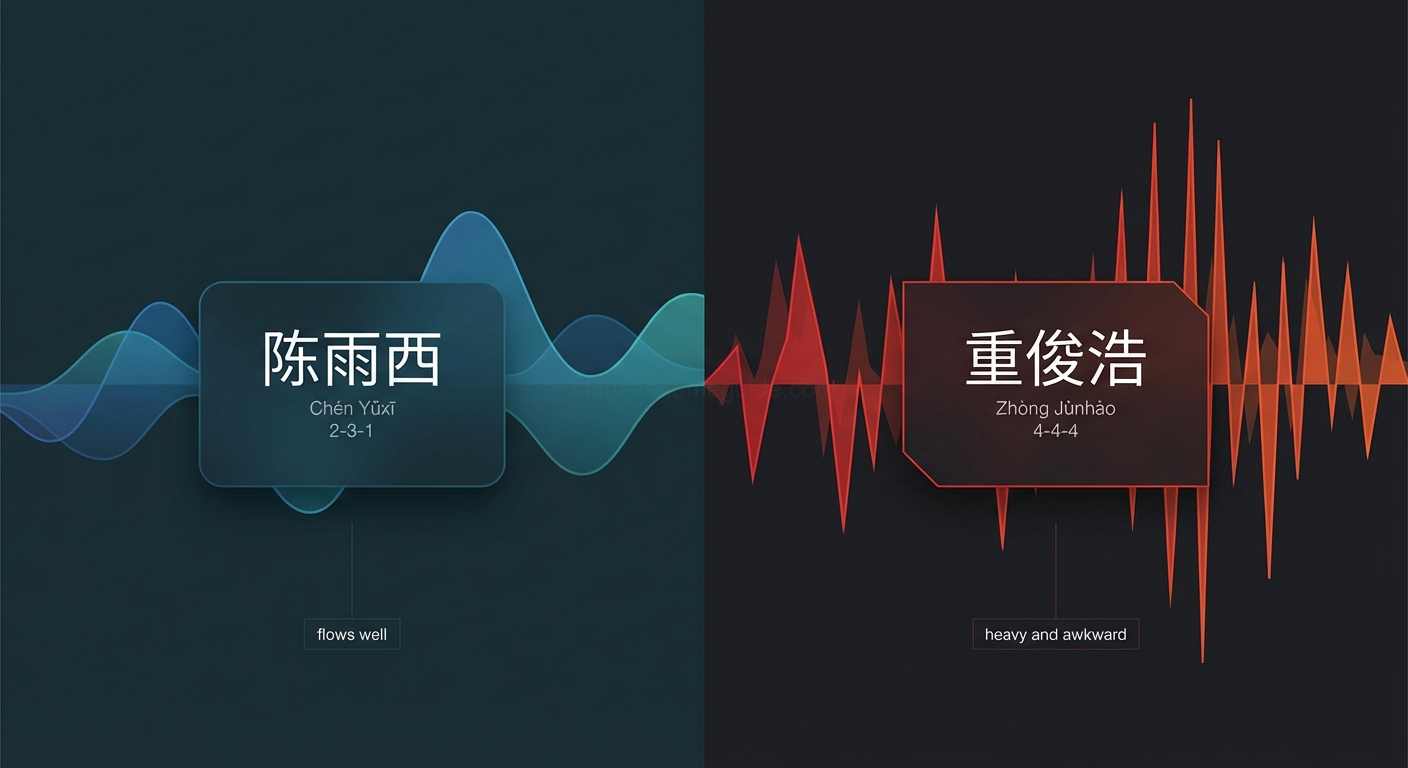
When Your Name Sounds Wrong: Tone, Rhythm, and Ping-Ze in Chinese Names
Meaning isn’t everything. This guide shows how tones, rhythm, and classical ping–ze patterns quietly shape what counts as a ‘good-sounding’ Chinese name—and how non-native speakers can avoid clunky, tongue-twister names.